Missouri does not require a locksmith to hold a specific state-level license to practice the trade. Instead, the path to becoming a professional involves obtaining a general business license from the City of Columbia and registering a legal entity with the state government. While the lack of a state mandate simplifies entry, professional credibility relies heavily on voluntary certifications, specialized training, and proper insurance coverage.
Success in this field requires a combination of mechanical skill, technical knowledge of security software, and a clean background. Professionalism is maintained through adherence to local business regulations and the pursuit of industry-standard credentials that prove competence to potential clients. This guide details the specific steps, training options, and regulatory requirements for those looking to establish themselves in the Central Missouri market.
State and Local Regulations for Missouri Locksmiths
Unlike some neighboring states that have strict board-regulated licensing, Missouri leaves much of the regulation to local municipalities. This means that a locksmith in Columbia must focus on city compliance rather than state occupational testing. The first step involves visiting the Missouri Secretary of State website to register a business name, whether as a sole proprietorship, LLC, or corporation.
In Columbia, the City of Columbia Finance Department requires every person or company doing business within city limits to hold a valid business license. This application process usually involves a fee and a background check. Even though a specific “locksmith license” does not exist at the state level, failing to have a city license can result in fines or the closure of the business operations.
Data from the Bureau of Labor Statistics indicates that locksmiths in Missouri earn a competitive wage, with the industry expecting steady demand as physical and electronic security needs evolve. Maintaining a clear criminal record is vital because most insurance providers and bonding companies will not cover individuals with theft or fraud convictions.
Educational Paths and Locksmith Training Near Me
Because there is no state-mandated curriculum, aspiring professionals must choose their own educational path. Options range from traditional apprenticeships to structured online courses and hands-on trade schools. Each path offers different benefits depending on how quickly an individual wants to enter the workforce.
Apprenticeship Programs
Finding an apprenticeship with an established company in Colombia is often the most effective way to learn. This method provides real-world experience with residential lockouts, commercial master key systems, and automotive transponder programming. An apprentice works under a master locksmith, gaining practical skills that books cannot fully teach.
Online and Trade School Courses
If a local apprenticeship is not available, many turn to a locksmith course near me through distance learning or regional technical colleges. Organizations such as the Associated Locksmiths of America provide comprehensive training modules. These courses cover everything from basic key duplication to advanced high-security cylinder servicing.
Bonus Tip: Focus on automotive locksmithing during initial training. Modern vehicles require sophisticated computer programming skills, and this specialization often commands higher service fees in the Columbia area.
Professional Certification Options in Missouri
While not legally required, obtaining a locksmith certification in Missouri helps build trust with customers. Certification acts as a proxy for a state license, showing that the locksmith has passed rigorous testing. The most recognized body for this is ALOA, which offers several levels of proficiency.
| Certification Level | Requirements | Primary Focus |
|---|---|---|
| Registered Locksmith (RL) | Pass the basic ALOA exam | Fundamental locksmithing principles |
| Certified Registered Locksmith (CRL) | Pass ten mandatory categories | Residential and basic commercial |
| Certified Professional Locksmith (CPL) | Pass twelve additional electives | Advanced security and master keys |
| Certified Master Locksmith (CML) | Pass 90% of all available categories | Expertise in all locksmithing areas |
Achieving these milestones requires significant study but places a technician above uncertified competitors. Many commercial contracts in Missouri specifically require work to be performed by a certified professional to ensure building codes and safety standards are met.
Steps to Start a Locksmith Business in Missouri
Transitioning from a student to a business owner involves several administrative and financial steps. How to start a locksmith business in Missouri depends on the scale of the operation, whether it is a mobile service or a physical storefront.
- Obtain an EIN: Apply for an Employer Identification Number through the IRS for tax purposes.
- Purchase Insurance: Secure general liability insurance and a surety bond. According to The Balance, liability insurance protects against accidental damage to a client’s property during a repair.
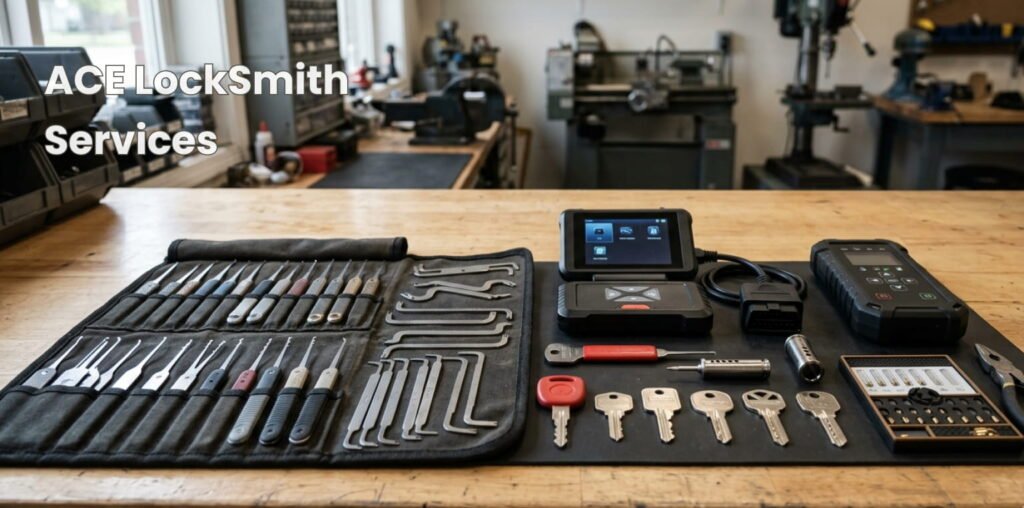
- Invest in Tools: Initial costs include key cutting machines, code cutters, picking sets, and diagnostic tools for vehicle programming.
- Buy a Service Vehicle: A mobile locksmith needs a reliable van equipped with an inverter for power and organized shelving for inventory.
Bonus Tip: Joining a professional organization can reduce insurance premiums. Many insurers offer discounts to members of national or state locksmith associations because of their commitment to ethical standards.
Decision Factors for Aspiring Locksmiths
Before committing to a locksmith career guide, individuals should consider several practical factors. The job is often physically demanding and requires working in various weather conditions, which is a significant factor in Mid-Missouri.
- Availability: Locksmiths often work on-call. Emergency lockouts happen at night, on weekends, and during holidays.
- Technological Shift: The industry is moving toward smart locks and access control systems. A comfort level with electronics and software is now just as important as mechanical skill.
- Legal Responsibility: Locksmiths must verify ownership before opening any door. Failure to follow proper identification protocols can lead to legal liability.
- Initial Investment: Starting a mobile business can cost between $10,000 and $30,000 when factoring in tools, inventory, and a vehicle.
Common Questions about the Locksmith Career Guide
Many people wonder if they need a background in mechanics or electronics. While helpful, the most important trait is a problem-solving mindset. Each lock presents a different challenge, especially when dealing with older hardware found in Columbia’s historic neighborhoods.
Another common inquiry involves the duration of training. A basic locksmith course near me might take six months to complete, but true proficiency usually takes two to three years of consistent practice. The learning process never truly ends because lock manufacturers constantly release new security features.
Frequently Asked Questions
Is a background check required for locksmiths in Colombia?
While Missouri does not mandate a state-wide check, the City of Columbia may require one during the business license application process. Additionally, most reputable companies will perform a thorough background check before hiring a technician to ensure client safety.
How much does it cost to get certified?
Testing fees for ALOA certifications vary based on membership status. Generally, an individual can expect to pay between $300 and $600 for the initial exams and study materials. This investment is usually recovered quickly through the higher rates that certified technicians can charge.
Can I work as a locksmith from my home?
Yes, many locksmiths in Columbia operate as mobile services from their homes. This reduces overhead costs. However, you must still comply with local zoning laws and ensure you have a city business license for your home-based office.
Do I need a special license for automotive locksmithing?
No special license is required in Missouri, but you will need specialized tools and software subscriptions. Most modern car key programming requires access to proprietary databases, which often require proof of business ownership or professional certification.
What insurance is best for a new locksmith?
At a minimum, a locksmith should carry general liability insurance. Adding a “care, custody, and control” rider is also wise, as it covers damage to the specific item you are working on, such as a high-end vehicle ignition or an expensive commercial door.
Final Considerations
Becoming a locksmith in Columbia, Missouri, involves a self-directed path of education and local compliance. By focusing on quality training and obtaining the necessary city permits, an individual can build a reputable career in this essential trade. It is important to evaluate personal goals, such as whether to work for an established firm or start an independent business. Each person should assess their technical aptitude and willingness to handle the irregular hours often required in the security industry.
Contact Ace Locksmith Services
If you have questions about professional security standards or need assistance with lock hardware, contact Ace Locksmith Services for expert guidance. Our team provides reliable information based on years of experience in the Columbia community. You can reach us by phone at (573) 815-9926 or via email at locksmithbryanturner@outlook.com to discuss your specific security needs or to learn more about the standards we maintain in our daily operations.
Sources
- City of Columbia Finance Department – Official portal for obtaining a business license in Columbia, Missouri.
- Missouri Secretary of State – The state authority for registering new business entities and LLCs.
- Associated Locksmiths of America – The primary professional organization for locksmith certification and education.
- Bureau of Labor Statistics – Federal data regarding employment statistics and wage information for locksmiths.
- The Balance – A financial resource explaining the types of insurance necessary for trade professionals.