To become a locksmith in 2026, an individual must complete a combination of formal education, hands-on training, and state-mandated licensing. The process typically begins with obtaining a high school diploma, followed by enrolling in a vocational program or securing an apprenticeship under a licensed professional. Aspiring locksmiths must pass background checks and, in many jurisdictions, earn a specific state license before performing work for the public.
This beginner’s guide to locksmith career paths details the transition from a novice to a certified professional. Modern locksmith has evolved beyond simple key cutting to include electronic access control, smart home integration, and advanced automotive transponder programming. Following the steps outlined below provides a clear path for anyone looking to enter this technical trade with confidence and legal compliance.
Initial Requirements and Background Checks
Before searching for local locksmith training, a candidate must meet several foundational criteria. Most employers and state licensing boards require a high school diploma or its equivalent, GED. Because locksmiths gain access to private property and sensitive security information, maintaining a clean criminal record is almost always mandatory.
Many states require applicants to submit fingerprints for a background check through the FBI or state police databases. If a person has a history of felony convictions or crimes involving theft, obtaining a license will be difficult or impossible. Physical stamina is also necessary, as the job involves standing for long periods, working in tight spaces, and maintaining the manual dexterity required to handle small springs and pins.
Educational Paths for Aspiring Locksmiths
There are two primary ways to gain the technical knowledge required for this field: vocational schooling and apprenticeships. Each path offers different benefits depending on a person’s learning style and financial situation.
Vocational and Trade Schools
Enrolling in a dedicated locksmith course online or at a physical trade school provides a structured environment to learn the theory of lock mechanics. These programs cover the history of locks, master key systems, and the basics of lock picking and bypass techniques. A formal classroom setting often includes simulated environments where students can practice on various door types without the pressure of a real-world emergency.
Apprenticeships
An apprenticeship allows a student to work directly under an experienced professional. This method provides immediate exposure to the daily realities of the job, such as interacting with customers and solving complex hardware issues on-site. While apprenticeships might pay a lower wage initially, the hands-on experience is often considered the most effective way to learn the nuances of the trade.
Training Methods Comparison
The following table compares the most common ways to acquire the necessary skills for a career in locksmithing.
| Training Method (Source: ALOA) | Duration | Approximate Cost | Best For |
|---|---|---|---|
| Online Certificate | 3 to 6 Months | $500 to $1,500 | Learning theory and basic terminology |
| Vocational College | 6 to 12 Months | $2,000 to $5,000 | Comprehensive hands-on certification |
| Apprenticeship | 1 to 4 Years | Low cost or Paid | Real-world mastery and networking |
| Manufacturer Seminars | 1 to 5 Days | $200 to $1,000 | Specialized skills like smart lock installation |
Understanding Locksmith Certification Requirements
Certification and licensing are often confused, but serve different purposes. Licensing is a legal requirement set by a state or local government to practice the trade. According to a summary of regulations by the Associated Locksmiths of America, approximately 15 states currently require a locksmith license. These states usually demand an application fee, a background check, and a passing score on a state-administered exam.
Certification, on the other hand, is a voluntary credential that demonstrates a specific level of expertise. Organizations like ALOA offer various levels of certification, such as Registered Locksmith (RL) or Certified Registered Locksmith (CRL). Earning these titles can lead to higher pay and increased trust from commercial clients.
Bonus Tip: Check local city ordinances even if the state does not require a license. Some municipalities have their own permit requirements for mobile service providers.
Essential Locksmith Skills and Tools
The modern locksmith must master a wide array of mechanical and digital tools. Basic skills include rekeying locks, repairing damaged hardware, and creating duplicate keys. However, the rise of electronic security has shifted the focus toward programming and software.
Basic Toolkit
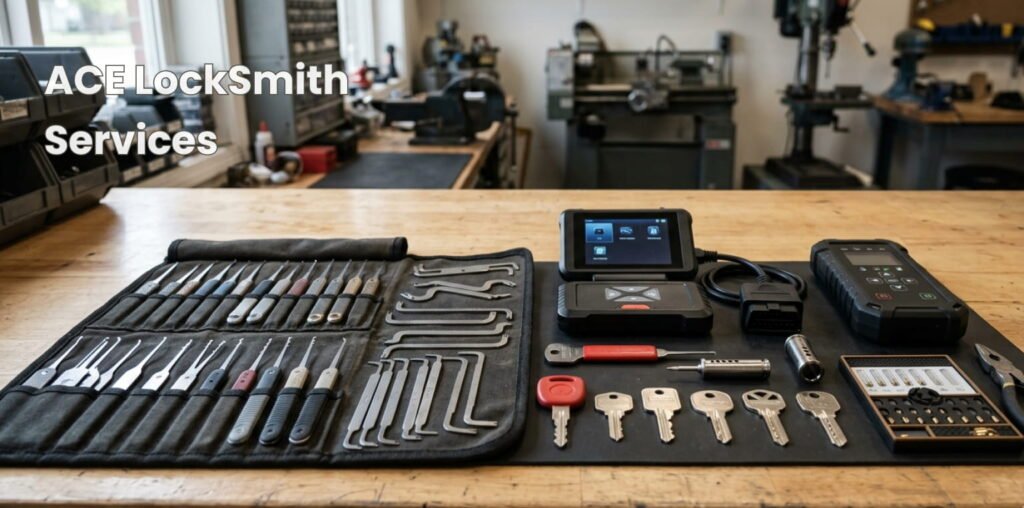
A beginner should expect to invest in a starter kit that includes:
- Pick sets and tension wrenches
- Plug spinners and followers for rekeying
- Key origination machines (manual or automatic)
- Shims and bypass tools
- Drills and specialized bits for hardened steel
Technical Skills
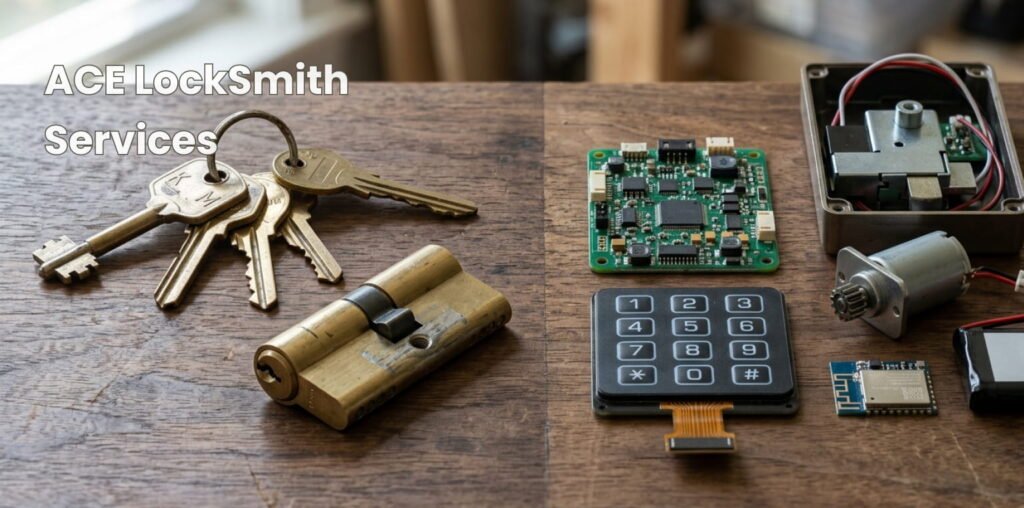
Beyond physical tools, a locksmith must understand electronic circuitry and low-voltage wiring. Many residential customers now request smart locks that connect to Wi-Fi or Bluetooth. Understanding how to integrate these devices with home automation systems is a high-demand skill. According to market research from IBISWorld, the growing adoption of smart home technology is a primary driver of revenue in the security services sector.
How Long Does It Take to Become a Locksmith
The timeline for entering the profession varies based on the chosen training path. A student can complete a basic locksmith course online in about three months to gain a theoretical foundation. However, becoming fully proficient usually takes longer. Most apprentices spend at least one to two years working under supervision before they feel comfortable handling a wide range of residential, commercial, and automotive calls independently.
If an individual aims to specialize in high-security safes or automotive transponder programming, they should expect an additional six to twelve months of specialized training. Constant learning is a requirement in this field, as lock manufacturers frequently release new security protocols.
Things to Consider Before Making a Decision
Choosing a career in locksmithing requires an evaluation of the lifestyle and costs involved. It is not a typical office job; it often involves irregular hours and emergency calls.
- Start-up Costs: If the goal is to be self-employed, the initial investment in tools, a reliable van, and inventory can range from $10,000 to $30,000.
- Work Environment: Locksmiths often work outdoors in varying weather conditions and may need to respond to lockout calls in the middle of the night.
- Local Competition: Research the number of existing locksmiths in the area to determine if there is enough demand for a new technician or business.
- Legal Liability: Professional liability insurance is essential to protect against claims of property damage or security breaches.
How to Start a Locksmith Business
Once the skills are mastered and the license is obtained, many professionals choose to open their own shop or mobile service. This requires more than just technical skill; it requires business acumen. Registering a business name, obtaining an Employer Identification Number (EIN) from the IRS, and setting up a dedicated business bank account are the first steps.
Marketing is also vital. A professional website and a presence on local search maps are the primary ways customers find help during a lockout. Experts at Ace Locksmith Services suggest that building relationships with local real estate agents and property managers can provide a steady stream of rekeying work that is less erratic than emergency lockout calls.
Bonus Tip: Invest in high-quality inventory. Using cheap, generic hardware might save money initially, but it often leads to callbacks and dissatisfied customers when the locks fail prematurely.
Common Questions About the Profession
Prospective students often ask if the career is being phased out by digital technology. On the contrary, the U.S. Bureau of Labor Statistics indicates that while traditional mechanical work is changing, the need for skilled technicians to install and maintain complex security hardware remains steady. The shift from physical keys to digital credentials actually creates more opportunities for specialized service and higher-margin installations.
Another common concern is the difficulty of the work. While the basics can be learned quickly, the trade involves constant problem-solving. Every door and lock has unique wear patterns, and a locksmith must be able to diagnose a mechanical failure by feel and sound.
Career Path FAQs
How much can a beginner locksmith expect to earn?
Entry-level technicians often start with an hourly wage or a commission-based pay structure. Salaries vary significantly by region, but those with specialized skills in automotive or commercial security generally earn higher rates.
Can I learn everything I need from YouTube?
While video tutorials are helpful for seeing specific techniques, they are not a substitute for formal training. Professional courses provide the safety knowledge and legal context that informal videos often omit.
Is a mobile locksmith business better than a storefront?
A mobile business has lower overhead costs because there is no rent for a retail space. However, a storefront can build more trust with the community and allow for walk-in key cutting and hardware sales.
Do I need to be good at math?
Basic geometry and algebra are helpful, especially when calculating master key systems or measuring door hardware for precise installations.
Advice for Evaluating the Career
A career in locksmithing offers stability and the satisfaction of solving tangible problems for people in need. Those interested should evaluate their patience for troubleshooting and their willingness to stay updated on technology. Industry leaders like Ace Locksmith Services recommend reaching out to local professionals to see if they allow for a “ride-along” day. This provides a realistic view of the daily challenges and rewards before committing to an expensive training program. Ensure that any training program chosen is recognized by industry associations to guarantee the quality of the education.
Professional Assistance and Consultation
For those in the Missouri area seeking professional guidance or security services, Ace Locksmith Services provides expert solutions for residential and commercial needs. Whether the requirement is a complex master key system or a simple home rekey, professional expertise ensures the job is done correctly the first time. Contact Brian Turner at (573) 815-9926 or via email at locksmithbryanturner@outlook.com for more information regarding security hardware and professional locksmithing standards.
Sources
- ALOA Security Professionals Association – The primary professional organization for locksmiths, providing certification and legislative updates.
- U.S. Bureau of Labor Statistics – Official government data on job outlook, pay, and entry requirements for locksmiths and safe repairers.
- IBISWorld Locksmith Services Industry Report – Market research providing data on industry growth, smart lock trends, and economic factors.
- Texas Department of Public Safety – Regulatory Services – An example of a state-level regulatory body outlining background check and licensing requirements.